Hasan Sabbah, Alamut Castle and the Nizari Isma'ili State History


HASAN SABBAH
The Old Man of the Mountain
One man.
One fortress.
One belief.
And a story whispered across centuries.
CHAPTER ONE: THE ERA
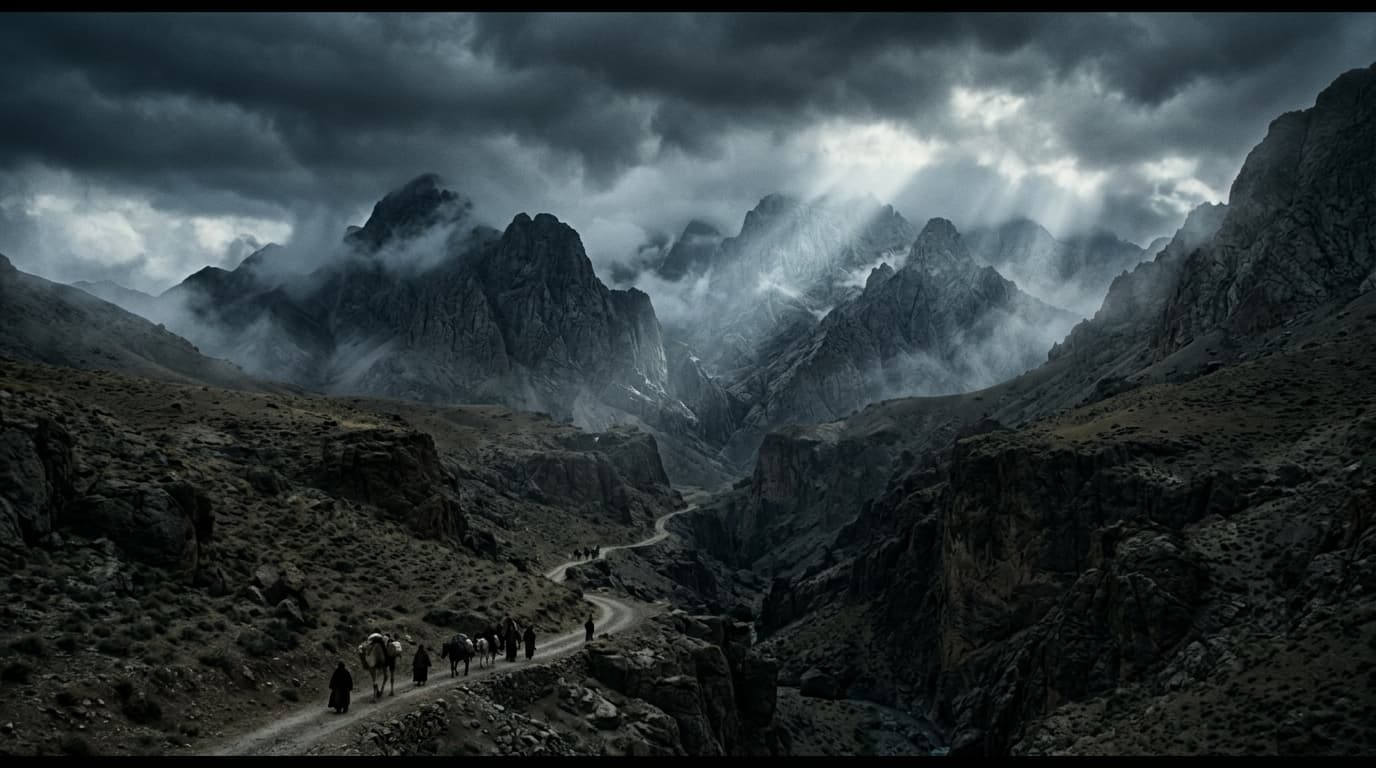
The Forbidding Peaks of the Alborz Range (1050 — 1124 CE)
The late eleventh century was a fractured epoch of colliding empires, sectarian tumult, and shifting dynasties across Eurasia.
While the Great Seljuk Empire stood as the towering military superpower of the East and the Fatimid Caliphate in Cairo was slowly decaying, the mountain valleys of Daylam in northern Iran remained an untamed sanctuary. Enclosed by vertical granite cliffs and perpetual mist, these highlands had defied conquering armies for over a thousand years.
“These mountains were not merely stone; they were the impenetrable armor of a sovereign mind that no sultan's cavalry could breach.”
— Historical Chronicle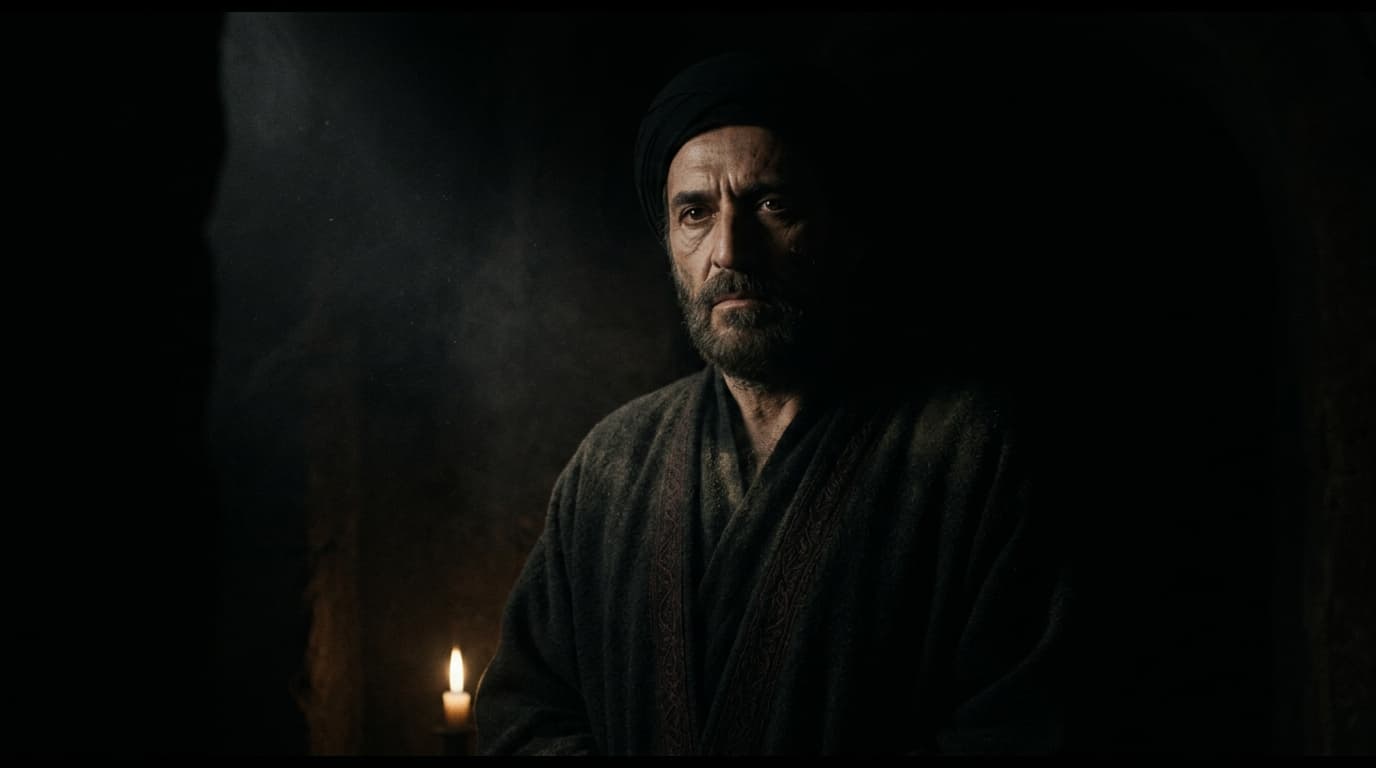
Hasan bin Ali el-Sabbah (1050 — 1124)
CHAPTER TWO: THE MASTERMIND
Astronomer, Theologian, and Pioneer of Asymmetric Warfare
Born in Qom to a Twelver Shi'a family, Hasan ibn Ali ibn Muhammad al-Sabbah achieved profound mastery in mathematics, geometry, celestial astronomy, and philosophy at an extraordinarily young age. Embracing the Isma'ili cause at 17, he journeyed to Cairo to study at the renowned Dar al-Hikma academy.
Intellectual Dominance
He analyzed star charts, sacred texts, and ancient philosophy with the forensic discipline of a supreme tactician.
Iron Will
His devotion to order and discipline was absolute—he sentenced his own sons to execution when they transgressed moral and religious laws.
Asymmetric Doctrine
Understanding that a mountain redoubt could never defeat a hundred thousand Seljuk soldiers in open field battle, he engineered the first modern system of psychological deterrence.
“From the day Hasan Sabbah entered Alamut until the hour he died 34 years later, he never once descended from the mountain; he remained in his chambers, reading, writing, and governing his state.”
— Ata-Malik Juvayni, Genghis Khan's Court Historian
CHAPTER THREE: ALAMUT
The Impregnable Citadel Carved from Granite
Alamut derives from the ancient Daylami words 'Aluh Amut'—meaning 'The Eagle's Nest'. Legend recounts that an ancient king released a royal hunting eagle that landed on this sheer isolated summit, prompting the initial fortifications.
Bloodless Blood-Right
Hasan Sabbah took the citadel without spilling a drop of blood: by quietly converting the garrison from within and issuing a promissory draft of 3,000 gold dinars to the Seljuk governor Mahdi.
Subterranean Hydraulic Engineering
Deep caverns carved into solid rock preserved years of grain and rainfall channeled from alpine glaciers, rendering conventional siege tactics futile.
The Legendary Library of Alamut
One of the greatest intellectual repositories in the medieval world, housing priceless texts on astronomy, alchemy, philosophy, and occult sciences.
Accessible only by a narrow, treacherous footpath running along vertical thousand-foot drops, the castle was virtually unconquerable by conventional siege engines.
CHAPTER FOUR: THE NETWORK
An Invisible Constellation from Persia to Syria
The Nizari Isma'ili state did not possess contiguous borders. Instead, Hasan Sabbah constructed a decentralized network of fortified mountain crags linked to sleeper cells throughout imperial capitals.
“Each fortress operated as a self-sustaining ecosystem; yet every node remained perfectly synchronized to a single handwritten missive dispatched from Alamut.”
Alamut
Headquarters & Grand Library
İsmailî Dava Hiyerarşisi
Grand missionary and regional governor
Comrade and educated ideological backbone
Novice initiate undergoing testing
The operational weapon—bound by oath to sacrifice life for the mission
CHAPTER FIVE: MYTH VS REALITY
Dismantling Medieval Orientalist Fables with Archival Fact
Modern historiography led by W. Ivanow, Bernard Lewis, and Farhad Daftary dismantled centuries of romanticized Western propaganda, demonstrating that the 'hashish paradise' was entirely fabricated by terrified Crusaders and imaginative travelers.
Puritanical Religious Asceticism
Intoxicants of all forms were strictly prohibited in Alamut under pain of death. Executing surgical assassinations inside imperial palaces demanded months of deep linguistic immersion, absolute sobriety, and unyielding patience.
The Drugged Fanatics
Assassins were supposedly drugged with hashish, rendered unconscious, and taken to fake garden paradises filled with maidens to induce hypnotic suicide missions.
CHAPTER SIX: GEOPOLITICS
Equilibrium and Psychological Warfare in a Tri-Polar World
Hasan Sabbah maintained his state upon the razor edge between titans. Neither the crushing divisions of the Seljuk army nor the theological decrees of Cairo could dismantle Alamut's sovereign sphere.
Great Seljuk Empire
Sultan Malik-Shah & Vizier Nizam al-Mulk
Sunni Orthodoxy & Imperial Army Hegemony
100,000+ cavalry and professional standing armies
Viewed Alamut as a mortal, existential heresy.
Fatimid Caliphate
Al-Mustansir bi-llah & Badr al-Jamali
Isma'ili Caliphate (Former Center)
Dynastic legitimacy and Mediterranean commerce
Fractured irreparably when Hasan supported Nizar for the succession.
Nizari Isma'ili State
Hasan Sabbah (Hujja)
Doctrine of Ta'lim & Asymmetric Deterrence
Impenetrable mountain keeps and elite surgical strike capacity
Neutralized enemy command structures rather than conquering acreage.
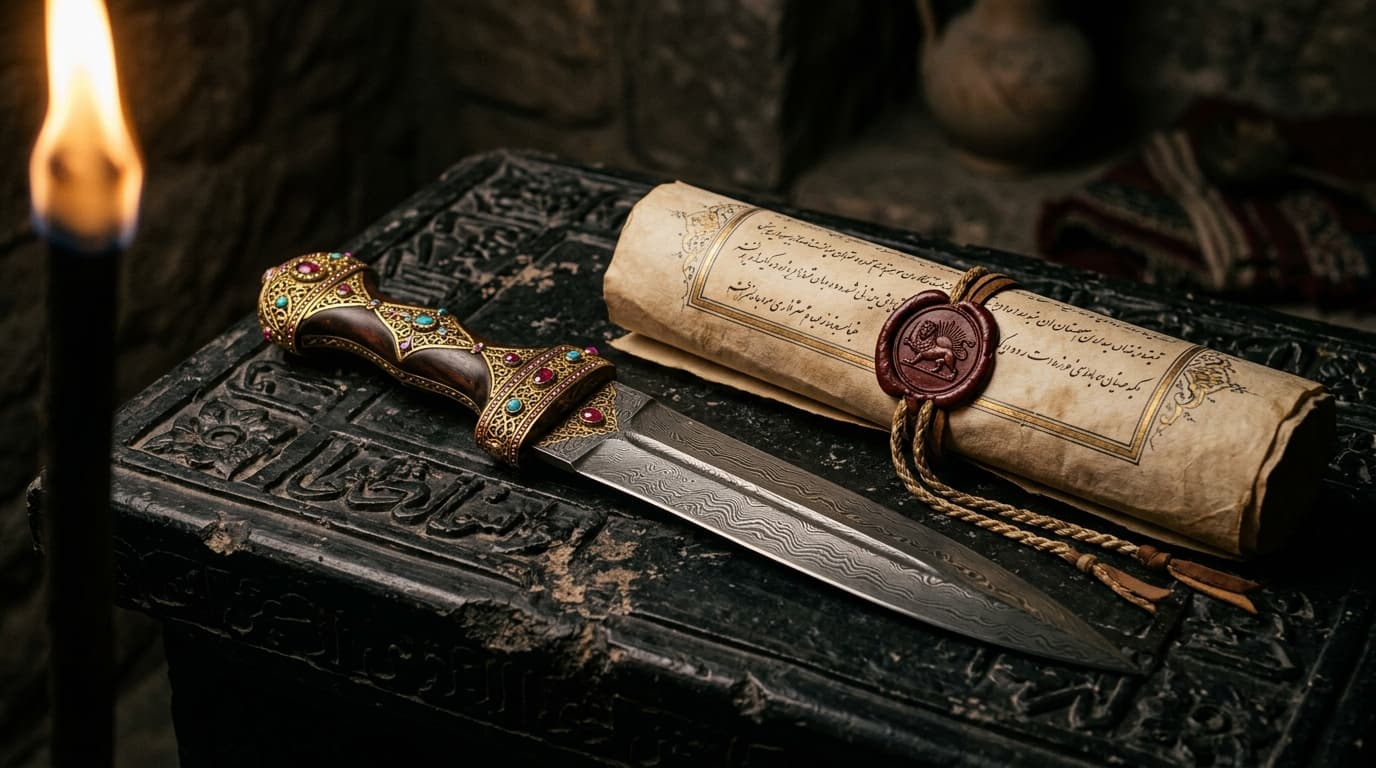
“Sultan Sanjar awoke one dawn to discover a dagger pinned into the carpet beside his pillow with a message: 'Had I not wished your welfare, that dagger would have been thrust into your soft heart instead of the hard earth.' The Seljuk siege was withdrawn that very morning.”
CHAPTER SEVEN: THE ASSASSINATIONS
History's First Surgical Doctrine of Deterrence
The strategy was never indiscriminate butchery; it was eliminating the single warlord who ordered the war, thereby saving the lives of thousands of conscripts.
“An imperial army may be invincible on the battlefield; but a monarch is mortal, and reaching a monarch's heart requires only a single span of cold steel.”
Nizam al-Mulk
Grand Vizier of the Seljuk Empire
Disguised as a Sufi dervish, the fida'i Bu Tahir Arrani approached the litter of the empire's greatest statesman during the twilight meal of Ramadan and struck with fatal precision.
Fakhr al-Mulk
Seljuk Vizier (Son of Nizam al-Mulk)
Having intensified campaigns against the Isma'ilis, the vizier was assassinated in broad daylight by an operative presenting a petition.
Al-Afdal Shahanshah
Fatimid Vizier and Military Dictator
The supreme commander who murdered Imam Nizar in a Cairo dungeon was ambushed and killed on the streets of the Egyptian capital.
Conrad of Montferrat
King-Elect of Jerusalem (Crusader Lord)
Two fedayeen lived disguised as Christian monks for months, earning Conrad's confidence before executing their mission outside the bishop's residence.
The operatives never fled nor sought reprieve. Having struck, they calmly embraced their demise—a chilling equanimity that struck utter dread into crowned heads from Constantinople to Isfahan.
CHAPTER EIGHT: THE LEGACY
Citadels Crumble, The Shadow Remains
Mayıs 1124 • Son Nefes
In May 1124, feeling death approach, Hasan Sabbah summoned his closest commanders—Kiya Buzurg-Ummid, Abu Ali Ardestani, and Hasan Adam Qasrani—entrusting the defense of Alamut to their stewardship.
1256 • Kütüphanenin Yanışı
132 years later in 1256, the Mongol horde under Hulegu Khan encircled Alamut. As the castle yielded, court chronicler Juvayni salvaged mathematical and medical scrolls before the great library was given to the flames.
Ölümsüz Hafıza
Yet Hasan Sabbah's intellectual shadow proved impervious to fire. From Marco Polo's myths to Vladimir Bartol's celebrated novel 'Alamut' and global interactive media, his legend echoes across nine centuries.
A mortal fell.
A myth endured.
HASAN SABBAH
In the shadow of Alamut.